
While we’d all like the things we buy to last forever, even the best hot tub covers eventually wear out—especially after years of exposure to the elements. Because your cover plays a critical role in retaining heat and protecting your LifeSmart spa, knowing when it’s time to replace it is essential. In this guide, you’ll learn how to spot the warning signs of a failing spa cover, choose the right replacement for your LifeSmart spa, and keep your new cover in excellent condition for years to come.
The last thing you want to see when you’re ready to unwind is cold water in your spa because your cover no longer holds in heat. fortunately, most worn-out covers show signs of deterioration long before they begin affecting your spa’s performance. Knowing what to look for can help you replace your cover before it costs you comfort, energy, and money.
Signs of a Faulty Spa Cover
Cold Spa
A quality spa cover should help your LifeSmart spa maintain its water temperature between uses, regardless of season. If you are noticing the water cooling down faster than usual or your heater running more often to keep up, your cover may no longer be insulating effectively. Replacing a worn-out cover can improve heat retention and help reduce energy usage and costs.
Heavy or Sagging Cover
A spa cover should feel relatively lightweight and keep its shape. If it has become noticeably heavier, sags in the middle, or collects standing water after it rains, the foam core has likely absorbed too much moisture. A waterlogged cover loses much of its insulating value and is usually a clear sign that it is time for a replacement.
Tears, Rips, or Melting on the Cover
Years of exposure to the sun, weather, and everyday use will eventually take their toil. Tears, cracked vinyl, and worn seams allow water to penetrate the cover and damage the insulation inside. Once the protective outer layer is compromised, the cover becomes less effective at retaining heat and protecting your spa, making replacement the best long-term solution.
Cover Types
Choosing a replacement spa cover doesn’t have to be overwhelming. The right cover should fit your LifeSmart spa properly, provide excellent insulation, and deliver years of reliable performance, all while staying within your budget. With many types of covers available, it’s important to understand the differences before making a decision. In this guide, we’ll focus on two primary categories of replacement spa covers and help you determine which one is right for your spa.
1. Folding
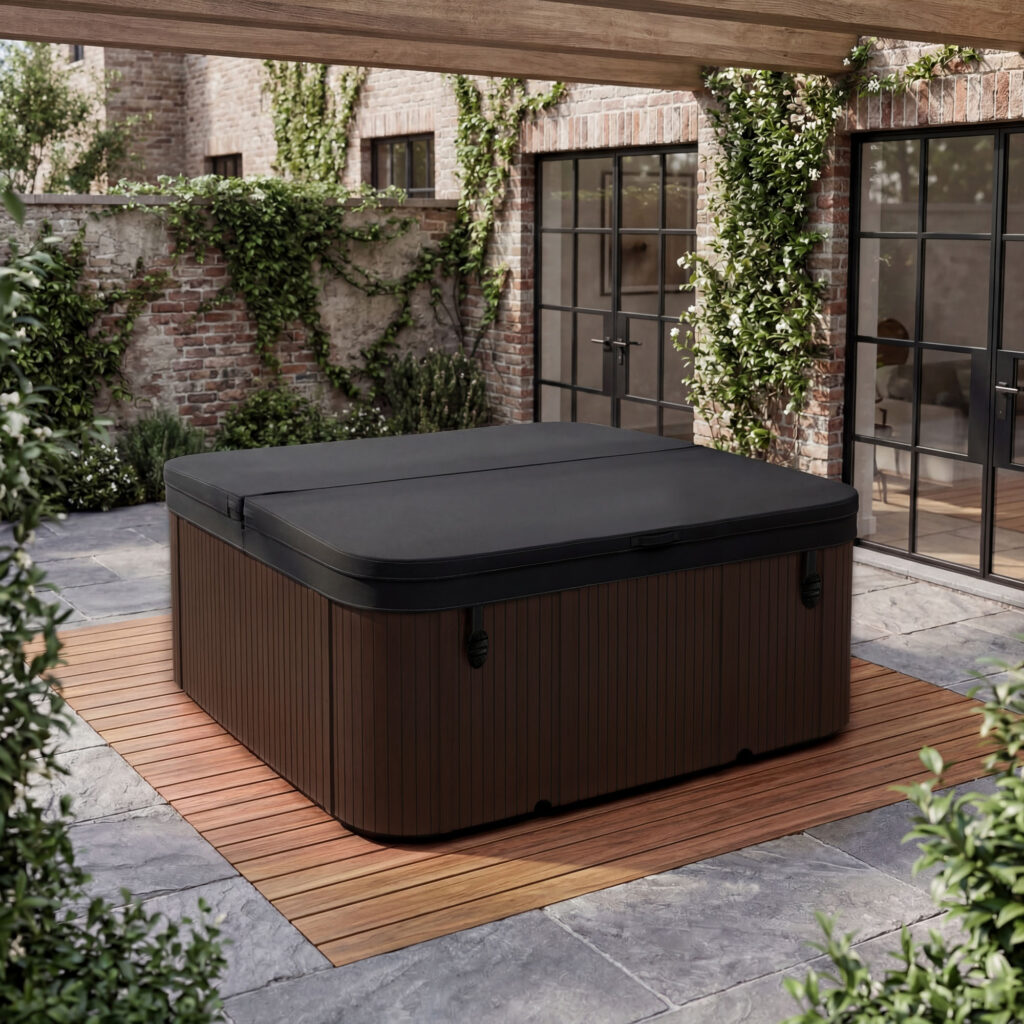
Folding covers are the most common type of spa cover and the industry standard for residential LifeSmart spas. They offer an excellent balance of insulation, durability, and ease of use, making them the preferred choice for most spa owners. When paired with a cover lifter, the cover folds neatly in half while you enjoy your spa and can be easily closed again when you’re finished, helping retain heat and protect the water between uses.
Pros:
– Durable Vinyl or Polymer
– Lighter than Alternatives
– Cover Lifter Compatible
– Excellent Heat Retention
– Available with Spa-Specific Options
Cons:
– Higher Cost
– Limited Compatibility
– May Require Additional Hardware
2. Specialty Covers (Rolling, Rigid, & Automatic)
Specialty spa covers are intended for situations where a standard folding cover may not be the best option. This group includes rolling, rigid, and automatic covers, each designed to provide specific advantages such as simpler operation, greater durability, or enhanced convenience. While these covers can be an excellent solution for certain spa setups or accessibility needs, they tend to cost more and are far less common than traditional folding covers on residential LifeSmart spas.
Pros:
– Ideal for Specialized Applications
– Extreme Durability
– Available in Premium Materials
Cons:
– Higher Initial Investment
– Not Compatible with Every Spa
– May Require Additional Space/Accessories
Materials
Now that you understand the different styles of spa covers, it’s time to choose the material that’s right for your needs. The material you select plays a major role in your cover’s durability, insulation, maintenance, and overall performance. Whether you’re looking for maximum heat retention, long-lasting durability, or a lightweight cover that’s easy to clean, there’s an option to fit your priorities. Below, we’ll compare some of the most common materials used in modern hot tub covers, along with the advantages and disadvantages of each.
Vinyl
Price Point: $$
Lifespan: ♡♡♡
Marine-grade vinyl has been the industry standard for spa covers for more than 40 years, offering an excellent combination of affordability, durability, and weather resistance. Its long-standing popularity means replacement covers are available from a wide variety of manufacturers in multiple colors and spa-specific sizes. Compared to many alternative materials, vinyl covers are also more readily available and typically have shorter lead times.
Pros:
– Water and UV Resistant
– Easily Cleaned
– Repairable
– Shorter Lead Times than Other Materials
– Often Offered in More Colors and Options than Other Materials
Cons:
– Can Crack, Mold, or Fade Without Proper Care
– Heavier than Polyester
– Requires Conditioning
Polyester
Price Point: $$$
Lifespan: ♡♡♡♡
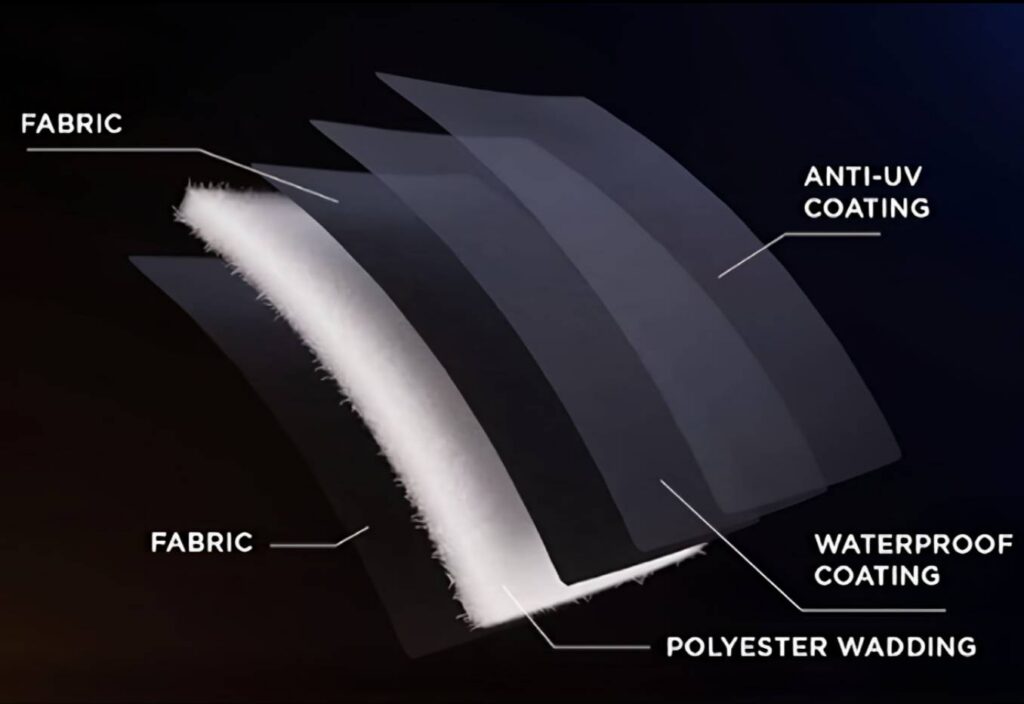
Over the past decade, polyester has become a leading alternative to vinyl spa covers. Typically only slightly more expensive than vinyl, polyester delivers enhanced durability, a longer service life, and a lighter-weight design. Due to its superior performance, many spa manufacturers have shifted to offering polyester covers as their standard OEM, including LifeSmart.
Pros:
– Water and UV Resistant
– Lightweight
– Crack Resistant
– Mold Resistant
– Generally Lasts Longer than Vinyl
Cons:
– More Expensive than Vinyl
– Protective Coating Can Wear Off
– Can be Stained
– Limited Color Options
*Pro Tip*
If you own a soft cover, a cover lifter (Like our cover lifter and cover rock-it) can extend your cover’s life by several years. By keeping your cover off the ground, lifters help by preventing unnecessary scuffs and scratches that can be caused by repeatedly removing and replacing the cover. As an added bonus, it also makes opening and closing your spa quicker and much easier.
Specialty Materials (Polymers, Aluminum, Fiberglass, Composites, Etc.)
Price Point: $$$-$$$$$
Lifespan: ♡♡♡-♡♡♡♡♡
While vinyl and polyester are the most widely used materials for residential spa covers, specialty options are available for certain hard, rolling, and automatic cover systems. These materials are engineered to prioritize strength, durability, and long-term performance rather than maximum insulation or cost savings. They can be an excellent choice for specialized applications or demanding environments, but they typically come at a higher cost and are less common than traditional soft spa covers.
Pros:
– Extremely Durable
– Highly Impact Resistant
– Water Resistant
– Longer Lifespan than Other Materials
– Designed for Harsh Environments
Cons:
– More Expensive than Polyester or Vinyl
– Heavier than Vinyl or Polyester
– Lower Insulation than Vinyl or Polyester
– Limited Spa-Specific Options
Choosing the right replacement cover for your spa is only the first step. With the right materials, proper fit, and regular maintenance, a quality cover can protect your spa, improve thermal retainment, and provide years of dependable service. When the time comes for a replacement, investing in a well-built cover will pay for itself through superior performance and a long lifespan. Contact us today for spa maintenance tips.